Easy Ways to Protect Your Home From Rain Trouble
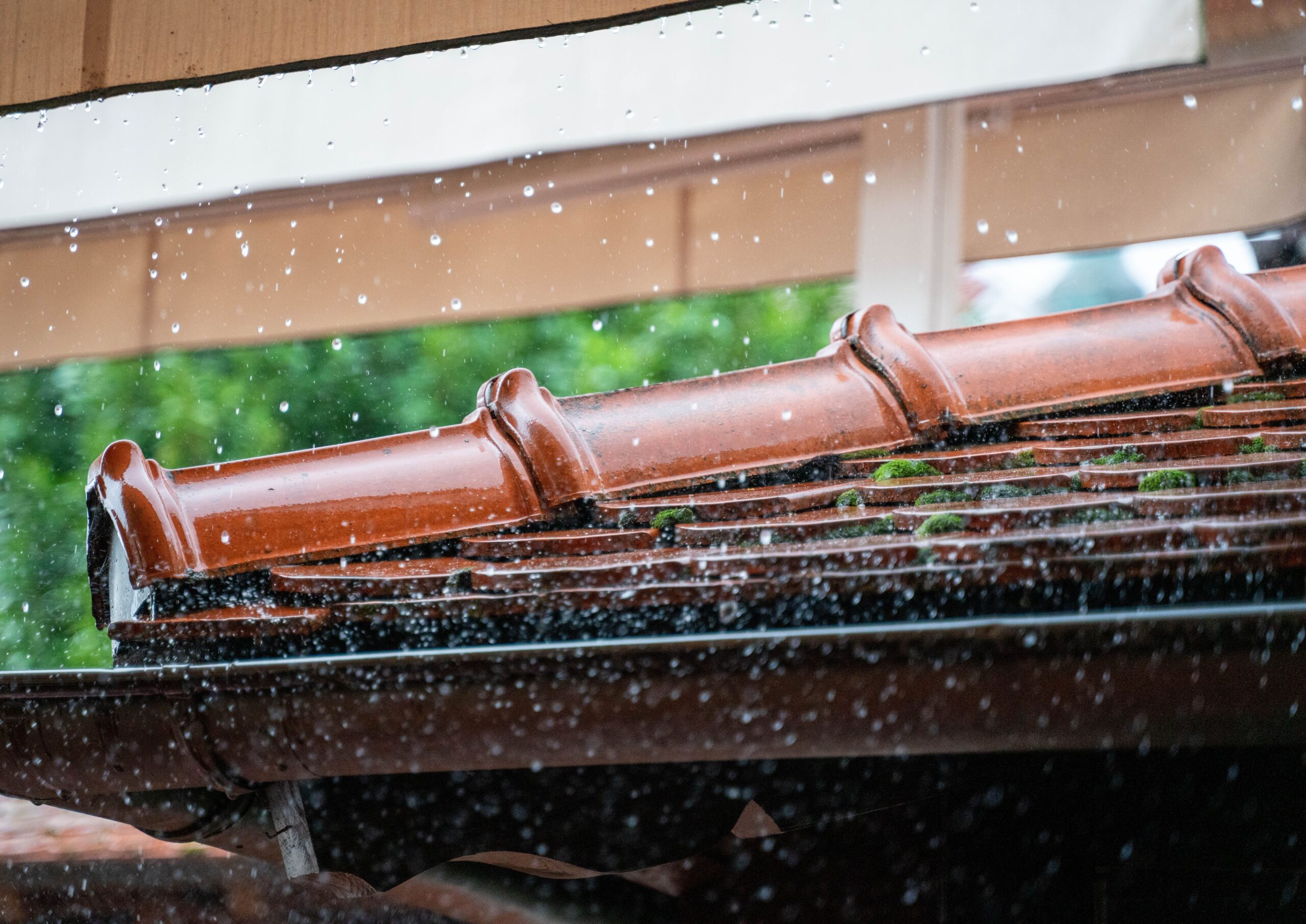
Rain has a sneaky way of showing you what your home needs. One storm rolls through, and suddenly you notice puddles by the walkway, mulch in the wrong flower bed, or soggy spots that seem to stick around forever. If you know where water is going and why it matters, you can make smarter choices that protect your home and keep your yard looking good.
Watch water paths
When it rains, your roof collects a lot more water than most people realize. That water has to go somewhere, and if it isn’t directed away from your home, it can create all kinds of trouble. It may pool near the foundation, wash out your landscaping, or turn a tidy walkway into a splash zone.
A well-planned downspout drainage system helps carry roof runoff away from your home’s foundation, landscaping, and walkways, reducing the chances of standing water and soil erosion. That matters because water tends to win every argument. If it finds an easy path beside your home, it will keep using it.
Take a walk outside after a steady rain. Look at where water drips, where it rushes, and where it sits. Those little clues can tell you a lot. Your yard is basically giving you a weather report, just without the fancy graphics.
Spot early warning signs
Drainage problems usually start with small hints before they become big headaches. One of the most common signs is standing water that hangs around long after the rain stops. If one patch of soil always feels squishy, that’s worth noticing.
You might also see mulch floating away, small trenches forming in flower beds, or dirt collecting at the edge of a driveway. Some homes show water trouble through stains on siding or a damp, musty smell near the base of the house. Even moss or mildew can be part of the story.
Pay attention to your steps and walkways too. If they get slick every time it rains, water may be landing where it shouldn’t. That’s not just annoying. It can become a safety issue for kids, guests, and anyone carrying groceries while trying not to perform an accidental dance routine.
Check your gutters
Gutters don’t ask for much, but they do need a little attention. When they’re clogged with leaves, dirt, and roof grit, water spills over the sides instead of flowing through properly. That overflow can land right next to your home, where it does the most damage.
You don’t need a complicated routine. Just check your gutters a few times a year, especially after heavy storms and during fall when leaves love to move rent-free. Look for sagging sections, loose brackets, and spots where water drips instead of streams.
Even if your gutters are in good condition, the way your downspouts discharge water is just as important. If they empty too close to the house, you’re basically escorting water to the problem area. Extensions, splash blocks, or a more complete drainage setup can help move runoff farther away. A simple inspection now can save you from a soggy surprise later.
Protect your curb appeal
Even if water never makes it inside your home, poor drainage can still mess with the look of your outdoor space. A pretty front yard loses its charm fast when flower beds are washed out, grass turns patchy, or muddy channels cut through the landscape.
Patios and walkways can also start to look worn before their time. Pavers may shift, edges may erode, and decorative stone can scatter where it doesn’t belong. It’s hard to enjoy your outdoor space when it looks like the rain keeps redecorating.
Good drainage helps your home look cared for. It keeps plants from drowning, mulch from wandering off, and hardscaping from settling unevenly. If you put time and money into making your home inviting, it makes sense to protect that effort. Curb appeal isn’t just about flowers or fresh mulch. Keeping rainwater under control helps preserve the landscaping and outdoor features you’ve already invested in.
Make rainy days easier
A smart drainage setup does more than protect structures and landscaping. It makes everyday life feel less messy. When water is directed away from doors, porches, and walkways, you deal with less mud, fewer wet footprints, and fewer slippery spots around the house.
That matters more than people think. If you’ve ever tried to come inside with shopping bags while avoiding a puddle the size of a kiddie pool, you know the struggle. The same goes for kids running in from the yard or pets bringing half the lawn back inside on their paws.
Keeping those outdoor areas drier can make your home feel more comfortable during stormy weeks. Guests notice it too. A cleaner path to the front door and fewer soggy corners around the house create a more welcoming feel. Rain may be part of life, but the daily mess it brings doesn’t have to be.
Know when to upgrade
Some drainage issues have simple fixes. Cleaning gutters, adjusting downspout extensions, or regrading a small area can sometimes solve the problem. If the issue is minor and only shows up during a very heavy storm, a few targeted improvements may be enough.
But if puddles keep coming back, soil stays soggy, or water collects near the foundation, it may be time to consider a more comprehensive drainage solution instead of relying on temporary fixes.
Repeating the same quick fix over and over can waste time and money. At some point, a more reliable drainage solution becomes the practical choice, not the fancy one.
The goal isn’t perfection. It’s peace of mind. You want rainwater to move away from your home without wrecking your yard or creating extra cleanup. When you pay attention early and act before the problem grows, you make life easier on yourself. That’s a solid home win, even if it’s not the most glamorous part of your weekend plans.
The post Easy Ways to Protect Your Home From Rain Trouble appeared first on Talking With Tami.
from Talking With Tami https://ift.tt/nMT014f
via talkingwithtami


Comments
Post a Comment