The New Standard of Quality: How Premium Meat Brands Are Leading the Shift
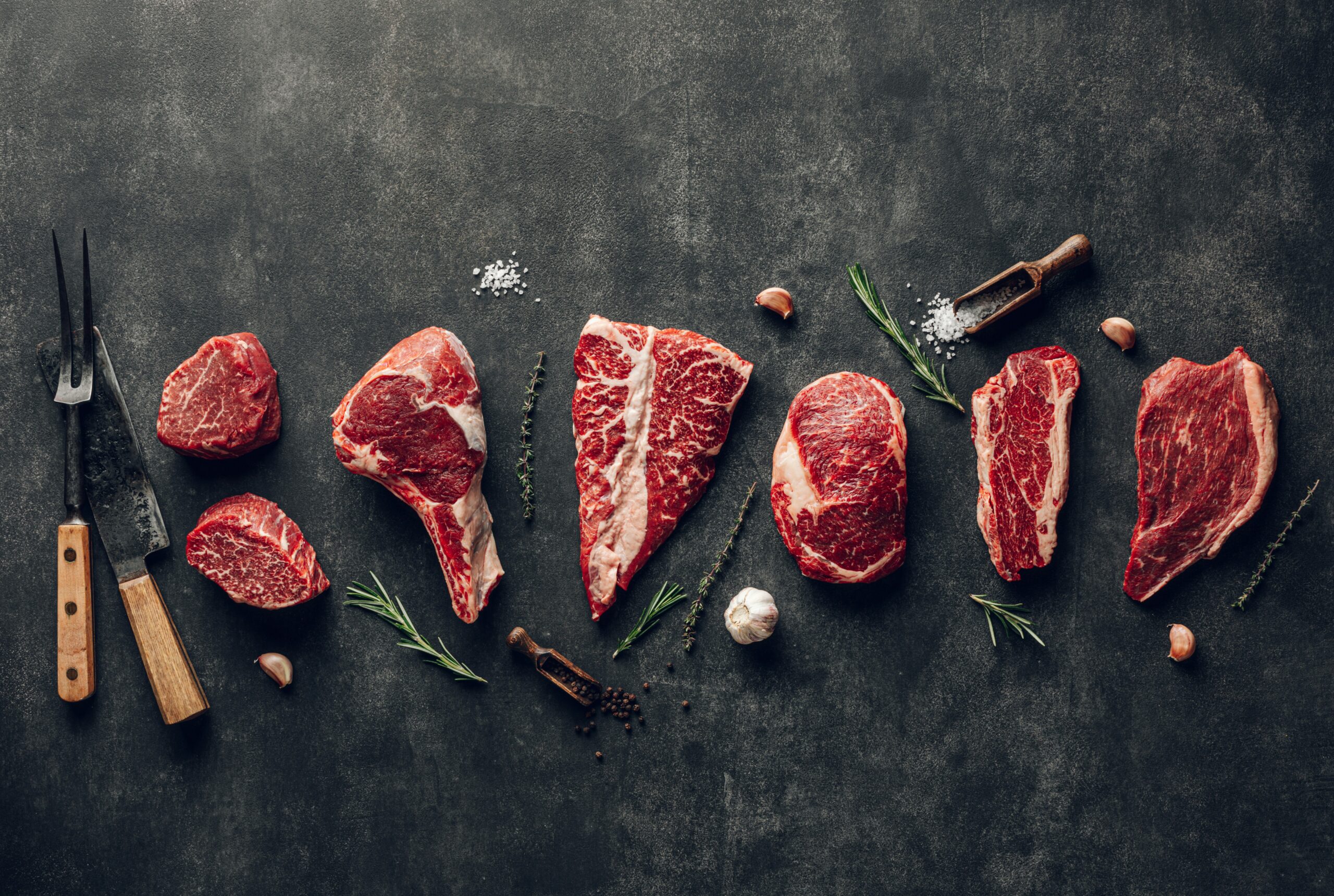
Premium meat brands are transforming consumer expectations. Grocery shoppers and steakhouse diners alike now look past price tags and focus on sourcing, consistency, and integrity. Quality carries a broader meaning than it did a decade ago. Flavor still matters, yet transparency, animal welfare, and production standards now shape purchasing decisions just as strongly. Consumers want reassurance that the beef on their plate reflects thoughtful practices at every stage.
Premium producers recognize that this shift is permanent. They no longer compete only on cut selection or distribution. They compete on trust. Clear communication, visible standards, and a strong brand voice allow them to meet rising expectations without confusion.
Consumer Expectations in Transition
Consumer priorities have evolved with access to information. Social media, documentaries, and chef-driven content have expanded awareness around farming practices and food systems. Shoppers pay attention to how cattle are raised, what they are fed, and how long the beef is aged. Curiosity fuels discernment.
Premium meat brands respond with specificity. Labels include details about grain finishing, regional sourcing, and grading standards. Customers who once relied on generic classifications now evaluate marbling scores and feeding programs.
Steak Craft and Brand Storytelling
Steak stands at the heart of the premium meat conversation. A well-cut ribeye or strip steak reflects decisions made long before it reaches the grill. Breed selection, feeding strategy, and finishing timelines shape the final texture and flavor. Premium brands treat those steps as part of a craft rather than a routine supply chain process. Strong storytelling reinforces that craftsmanship.
Visual platforms allow companies to present ranch landscapes, marbling close-ups, and finished plates in a way that feels tangible. Customers connect the product to real people and real places. Riverbend Ranch Steaks offer a clear example of how a premium producer brings that story to life through grain-finished beef, meticulous sourcing, bold marbling, and a commitment to elevated steakhouse experiences nationwide for consumers. When brands communicate this level of intention, the steak becomes a reflection of standards rather than a simple menu item.
Key elements that elevate premium steaks include:
- Select genetics chosen for consistent marbling and structure.
- Carefully managed grain-finishing systems that influence richness and texture.
- Controlled growth periods that balance tenderness and flavor development.
- Strict quality benchmarks that ensure uniform performance across cuts.
- Transparent presentation of ranch practices and final plating that builds consumer trust.
Attention to these factors ensures steaks deliver a reliable culinary experience while reinforcing the broader brand narrative.
Transparent Sourcing as a Core Promise
Transparency has moved from marketing language to baseline expectation. Consumers want to know where their beef originates and how it travels to their table. Premium brands meet that demand with traceability programs and open communication about ranch partnerships.
Clear sourcing policies eliminate ambiguity. When brands identify specific regions or outline feeding protocols, they replace vague claims with verifiable information. Customers respond to that openness because it reduces uncertainty. Transparency also builds resilience. A brand that communicates clearly can address questions about supply or production without losing credibility. Openness signals confidence in standards and operations.
Animal Welfare and Responsible Practices
Ethical considerations now influence purchasing decisions in measurable ways. Animal welfare standards factor into how consumers judge overall quality. Premium meat brands understand that responsible handling and humane practices align with long-term brand strength.
Certifications and documented welfare protocols demonstrate commitment beyond surface claims. These measures reassure customers who care about how cattle are treated throughout their lifecycle. Responsible practices also support operational consistency, which ultimately affects product quality. Trust deepens when brands treat welfare as a principle rather than a talking point. That consistency reinforces the broader perception of premium value.
Flavor, Marbling, and Culinary Performance
Flavor remains the final proof of quality. Marbling, aging, and precise butchery determine how a steak cooks and tastes. Premium brands invest in controlled aging processes and rigorous grading standards to maintain consistency across cuts.
Education plays an important role here. When consumers understand how marbling influences tenderness and juiciness, they approach cooking with realistic expectations. That knowledge improves outcomes in the kitchen. Culinary performance completes the experience. A steak that sears evenly and delivers rich flavor confirms the promise made by the label.
Clean Labels and Ingredient Integrity
Ingredient scrutiny has intensified across every grocery category, and meat is no exception. Consumers examine labels with a sharper eye and expect straightforward information. Premium brands respond with clean, concise labeling that reflects minimal processing and clear standards.
Artificial additives and vague claims create hesitation. Clear messaging builds reassurance. When a package explains feeding protocols, aging methods, and grading classifications without clutter, it strengthens credibility.
Premium meat brands have reshaped how consumers define quality. Expectations now extend beyond taste and presentation to include sourcing transparency, ethical standards, and clear communication. The shift reflects a broader cultural emphasis on accountability and informed choice.
Brands that lead this movement treat meat as a crafted product with a story and a standard. They invest in flavor, welfare, and traceability without disconnecting those elements from the final dining experience. Each factor supports the next, creating a cohesive definition of quality. The new standard continues to influence the wider protein market. Producers who adapt to these expectations strengthen trust and loyalty.
The post The New Standard of Quality: How Premium Meat Brands Are Leading the Shift appeared first on Talking With Tami.
from Talking With Tami https://ift.tt/K4sOT9e
via talkingwithtami


Comments
Post a Comment