Hidden Gems: What Your Jewelry Box Might Be Worth Today
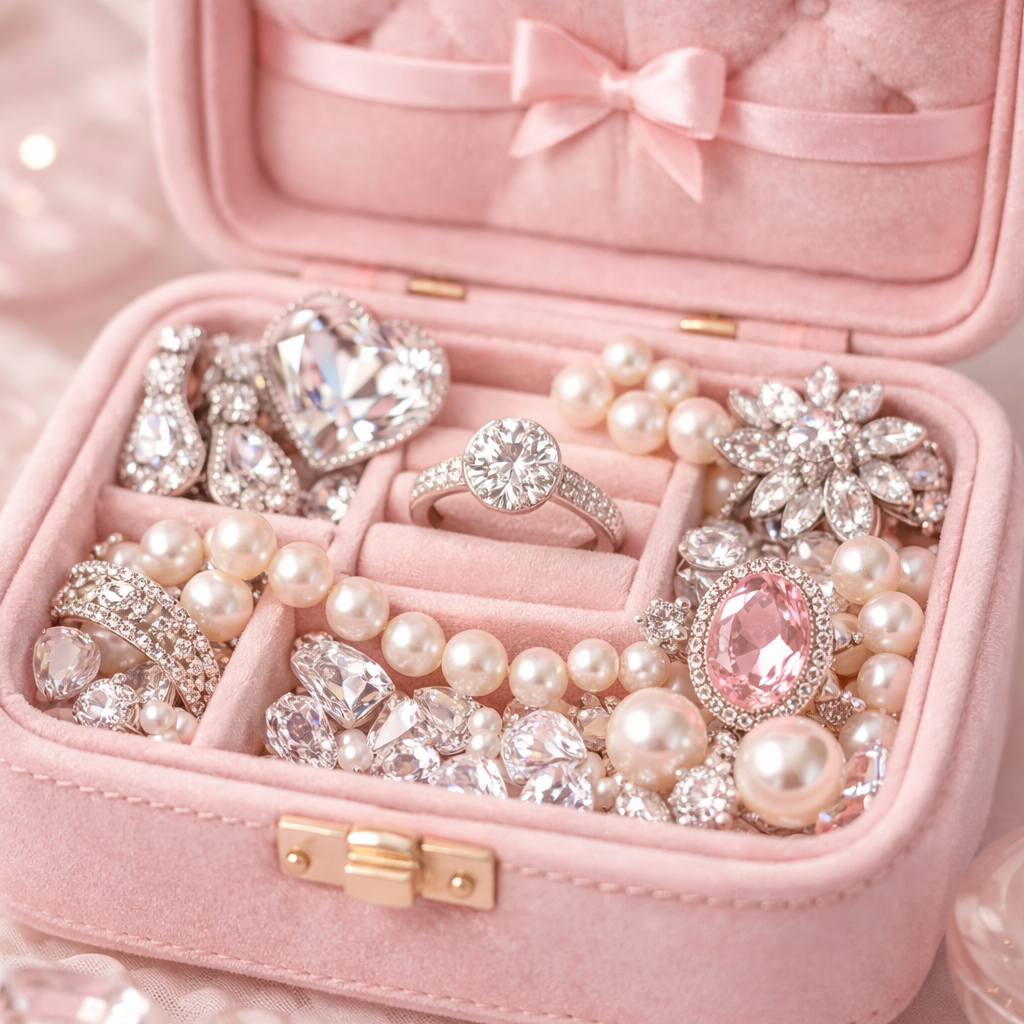
Most people think of their jewelry box as a collection of memories. A place filled with gifts, heirlooms, and pieces bought on a whim. It sits quietly, often untouched for months or even years.
But beneath the surface, there is often something more. Value. Not just sentimental, but financial. And in many cases, far more than expected.
Understanding what your jewelry might be worth today isn’t just about curiosity. It’s about awareness. It’s about recognizing opportunity where you didn’t think to look before.
The Overlooked Value in Everyday Pieces
It’s easy to assume that only high-end or designer jewelry holds real worth. That’s not always true.
Simple gold chains. Old rings. Broken bracelets. Even single earrings. These items often carry intrinsic value based on their materials alone. Gold and silver prices fluctuate, and when they rise, so does the worth of even the most unassuming pieces.
Then there are gemstones. Diamonds, sapphires, rubies, and emeralds tend to retain value well. But even semi-precious stones can contribute to a piece’s overall worth.
What many people overlook is this: condition matters less than you think. A scratched ring or a tangled necklace may still hold significant value. The materials don’t lose their worth just because the piece is no longer wearable.
Sometimes, what feels outdated or broken is actually a hidden asset.
Vintage and Antique Jewelry: A Different Kind of Worth
Not all value is tied to raw materials. Some jewelry pieces gain value over time because of their age, craftsmanship, or rarity.
Vintage and antique jewelry often tells a story. The design, the setting, even the way it was made can reflect a specific era. And collectors notice these details.
Art Deco rings, Victorian brooches, or mid-century statement pieces can command higher prices than modern equivalents. Why? Because they’re no longer being produced.
Scarcity creates demand.
If you’ve inherited jewelry or held onto older pieces for years, it may be worth taking a closer look. What seems outdated might actually be highly sought after in today’s market.
Designer Names and Brand Influence
Brand recognition can significantly increase a piece’s value. Jewelry from well-known designers or luxury houses often holds its price better over time.
Even if the piece is small or minimal, the name attached to it can make a difference. Collectors and buyers are often willing to pay more for authenticity and prestige.
That said, not every valuable piece is branded. And not every branded piece is valuable.
The key is balance. Materials, craftsmanship, and brand all play a role. When they align, the result can be surprisingly profitable.
Signs Your Jewelry Might Be Worth More Than You Think
There are a few indicators that can help you identify potentially valuable pieces without expert knowledge.
- Weight: Heavier pieces often contain more precious metal
- Markings: Look for stamps like 10K, 14K, 18K, or 925
- Unique design: Intricate or unusual styles may indicate craftsmanship
- Age: Older pieces can carry historical value
- Gemstones: Even small stones can add up
Still, these are just starting points. Real value often requires a closer look.
If something stands out, it’s worth exploring further.
Getting Your Jewelry Evaluated
Before making any decisions, it’s important to understand what you have.
A professional appraisal provides clarity. It helps determine the value based on current market conditions, materials, and overall demand.
Some people hesitate to get their jewelry evaluated. They assume it’s expensive or unnecessary. In reality, it’s a simple step that can prevent underestimating or overestimating what a piece is worth.
Even informal evaluations can offer insight. Local jewelers, buyers, and specialists often provide initial assessments.
Knowledge gives you control. And in this case, it can directly impact your financial decisions.
When It Makes Sense to Sell
Not every piece needs to stay in your collection forever.
Tastes change. Lifestyles evolve. And sometimes, holding onto certain items no longer serves a purpose.
Selling jewelry can be a practical choice. It frees up space. It turns unused items into liquid value. And it allows you to reinvest in something more aligned with your current style or needs.
Timing also matters. When gold prices are high or demand for certain styles increases, selling can be particularly выгодно.
The key is being intentional. Selling shouldn’t feel rushed. It should feel informed.
Navigating the Selling Process
Selling jewelry isn’t as complicated as it might seem, but it does require a bit of research.
There are several options available:
- Local jewelry stores
- Pawn shops
- Online marketplaces
- Specialized buyers
Each comes with its own pros and cons. Local buyers offer convenience and immediate payment. Online platforms may reach a wider audience but require more effort.
For many, the first step is a simple search for “sell jewelry near me” options, prioritizing convenience and speed. It’s a practical approach particularly when you have a basic understanding of your item’s value going in.
The most important thing is comparison. Don’t settle for the first offer. Explore multiple options. Ask questions.
A little patience can make a noticeable difference in the final price.
Emotional Value vs. Financial Value
Jewelry often carries emotional weight. A gift from a loved one. A piece worn during a significant life moment. An heirloom passed down through generations.
These connections can make it difficult to assess value objectively.
It’s important to separate emotional attachment from financial reality. Not every meaningful piece is valuable in the market. And not every valuable piece holds personal meaning.
There’s no right or wrong decision here. Some people choose to keep certain items regardless of value. Others prefer to let go and benefit financially.
What matters is clarity. Knowing what you have allows you to decide what it means to you.
Trends That Influence Jewelry Value
Jewelry value isn’t static. It shifts with trends, market demand, and cultural preferences.
Minimalist designs may rise in popularity, increasing demand for simple gold pieces. At other times, bold statement jewelry takes center stage.
Sustainability is also influencing the market. Many buyers now prefer recycled or pre-owned jewelry. This shift can increase the value of older pieces that might have been overlooked in the past.
Understanding these trends helps you make better decisions. It allows you to act at the right time, rather than relying on guesswork.
Small Pieces, Big Potential
It’s easy to focus on large, eye-catching items. But smaller pieces shouldn’t be ignored.
Thin chains. Stud earrings. Delicate rings. These often get lost in the shuffle.
Yet when combined, they can add up to a meaningful amount. Especially if they’re made of precious metals.
Even mismatched or single items have value. Nothing needs to be perfect to be worthwhile.
Sometimes, the smallest pieces carry the biggest surprises.
Conclusion
Your jewelry box may be more than just a storage space. It may be a collection of untapped potential.
Understanding what your pieces are worth doesn’t require expertise. It starts with curiosity and a willingness to look closer.
Some items may hold financial value. Others may remain purely sentimental. Both are valid.
What matters is awareness. Because once you know what you have, you gain the ability to decide what to do with it.
The post Hidden Gems: What Your Jewelry Box Might Be Worth Today appeared first on Talking With Tami.
from Talking With Tami https://ift.tt/mJpDj7N
via talkingwithtami


Comments
Post a Comment