How Light Wavelengths and Active Ingredients in Red Light Caps Work to Improve Men’s Scalp Health
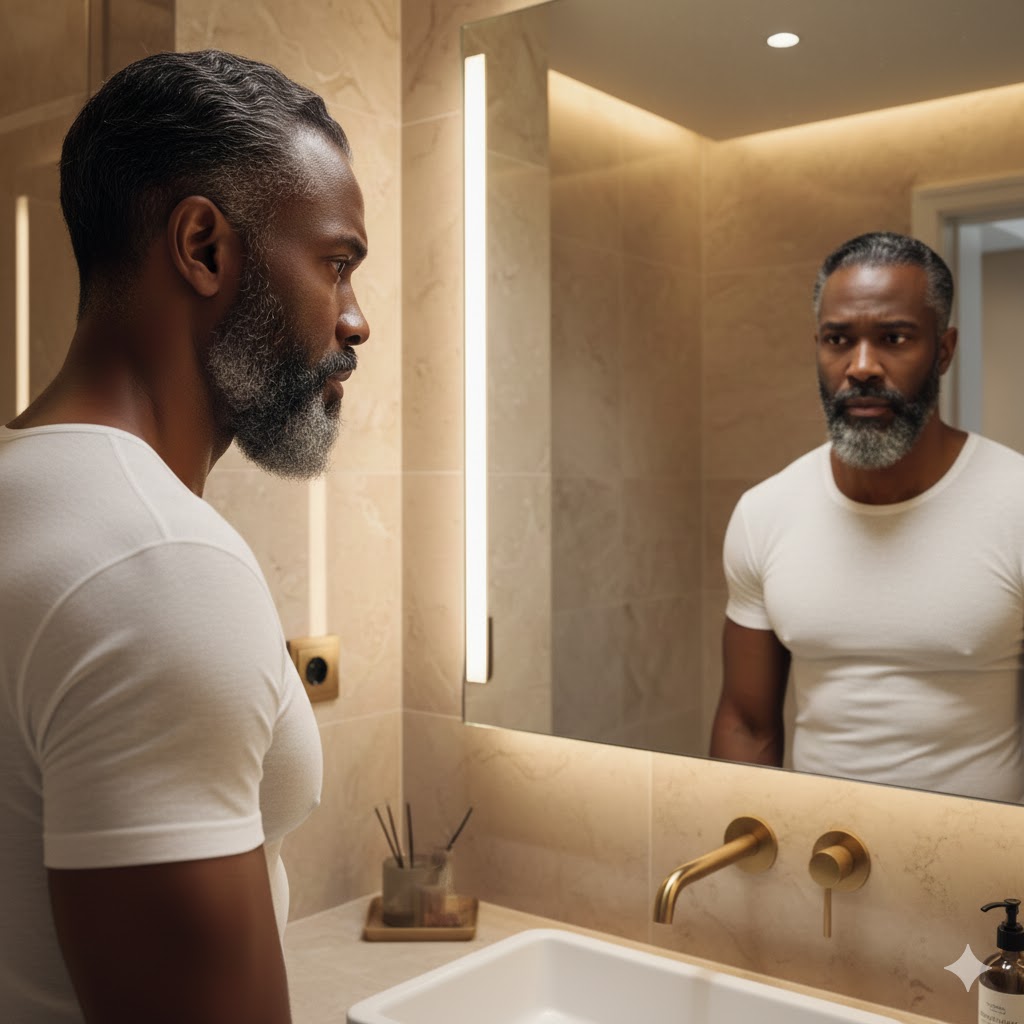
Many men search for simple ways to improve scalp health and slow down thinning hair. Red light therapy caps have gained attention for using specific wavelengths of light and targeted ingredients to support this goal. These caps use precise red light wavelengths and active compounds to energize hair follicles, improve circulation, and support a healthier scalp environment.
The idea behind the technology is straightforward. Red light at certain wavelengths, often around 650 nanometers, penetrates the scalp to stimulate cell energy production and promote better blood flow. This process helps maintain follicles that might otherwise weaken over time, which can lead to improved scalp condition and possibly thicker hair.
In addition, a red light cap for any hair type can include added active elements that work alongside the light. These can assist with hydration, reduce buildup, and create conditions where the scalp can perform naturally. Together, these features form a balanced approach to scalp care that combines light science with practical technology.
Mechanisms of Light Wavelengths in Red Light Therapy Caps
Different wavelengths of red and near-infrared light penetrate the scalp at varied depths to help support hair follicle activity and scalp health. These wavelengths influence cellular energy output, local circulation, and nutrient delivery to promote stronger hair and a balanced scalp environment.
Red Light and Near-Infrared Wavelengths: How They Function
Red light therapy caps use wavelengths between 630–670 nanometers for visible red light and 810–850 nanometers for near-infrared light. Each range affects tissue differently. Red light primarily reaches the outer skin layers, aiding surface cell repair and stimulating follicles. Near-infrared light goes deeper, reaching the base of hair follicles and supporting repair within the scalp’s deeper tissues.
Both wavelength types act without heat damage. The photons interact with cells, specifically cytochrome c oxidase in mitochondria, which helps improve cellular energy production. A red light cap for any hair type delivers these targeted wavelengths evenly across the scalp to reach dormant follicles that may not respond to topical products alone. This combination makes the cap suitable for various scalp conditions and hair types.
Cellular Effects on Hair Follicles and Mitochondria
Inside the follicle, red and near-infrared photons stimulate the mitochondria to produce adenosine triphosphate (ATP), the main energy unit of the cell. Higher ATP levels allow follicle cells to divide faster and repair more effectively. This reaction also triggers mild antioxidant pathways that help protect scalp cells from oxidative stress linked to hair thinning.
In many men, follicle miniaturization reduces cellular energy and delays growth phases. Light therapy reverses some of this effect by promoting better energy transfer and signaling within follicle cells. Over time, it encourages thicker hair shafts and improved texture without affecting healthy surrounding cells.
Optimized Blood Circulation for Scalp and Hair Growth
Effective red light therapy also depends on improved circulation. Irradiated scalp tissue releases nitric oxide, causing blood vessel dilation. Wider vessels bring more oxygen and nutrients to the follicles and remove waste byproducts more efficiently. As nutrient exchange increases, follicles transition more easily from the resting phase into active growth.
This oxygen-rich environment supports not only new hair formation but also a healthier scalp condition overall. Improved local blood flow may reduce tension in the scalp and keep follicle structures active. With consistent sessions, men often notice stronger coverage and greater density in areas prone to recession or thinning.
Active Ingredients and Technology in Red Light Caps
Red light therapy caps use a mix of LED light arrays, structured designs, and optional topical agents to support scalp health. Together these components can promote improved blood flow, cellular energy, and follicle recovery in men dealing with hair thinning or pattern hair loss.
LED Light Arrays and Cap Construction
A red light therapy cap often includes dozens of LED diodes that emit light in the 630–660 nm range. Some models add near-infrared light at 800–900 nm to reach deeper tissue. These wavelengths may help the scalp by stimulating follicle activity and increasing circulation.
Manufacturers build these caps in flexible shells that fit like a hat. They often use materials that distribute heat evenly, preventing irritation or scalp dryness. Devices such as a red light hat or helmet-type cap position the LEDs close enough to deliver precise light exposure without discomfort.
The design defines how evenly the light reaches the scalp. A consistent layout prevents dark areas that receive less stimulation. Adjustable sizing, lightweight materials, and built‑in timers help users maintain a regular therapy schedule.
Interaction with Topical Treatments and Hair Regrowth Agents
Red light caps can work alongside topical agents like minoxidil. Minoxidil expands blood vessels in the scalp, helping nutrients reach hair follicles. Light therapy may support this effect by improving oxygen flow and boosting follicle metabolism.
Some users combine red light sessions with serums that contain caffeine, peptides, or botanical extracts. However, ingredients should be water-based or non‑occlusive so the light can reach the scalp effectively. Oils or thick creams can block light absorption.
This combination approach targets both the biological and environmental causes of androgenetic alopecia. While light stimulates internal cell energy, topicals provide external nourishment. Used together, they may reduce hair shedding and slow the progression of baldness.
User Experience and Clinical Results
Users often report that red light caps feel gentle and easy to use. Most sessions last about 15 to 30 minutes, several times per week. The warmth from the LEDs creates mild comfort rather than heat. Some men notice less shedding after consistent use over several months.
Clinical data indicates that low-level light therapy can increase hair density and thickness in both men and women. Studies show improvement in the number of active follicles and a longer anagen phase, the part of the cycle responsible for growth.
Side effects remain uncommon. Mild redness or tingling can occur but usually fade quickly. The technology also appeals to those caring about skin appearance, as red light may reduce fine lines or dryness on the scalp. Regular use and patience often produce the most noticeable results.
Conclusion
Red light caps apply specific wavelengths, usually around 630–670 nanometers, to energize scalp cells and support healthy follicle function. These wavelengths penetrate the skin and stimulate mitochondria within hair follicle cells, which help produce energy that supports the natural growth cycle.
The process improves cellular activity and encourages better circulation near the follicles. Increased blood flow delivers nutrients and oxygen to the scalp, which may help maintain stronger and thicker hair over time.
Some devices also include active materials that keep the scalp balanced and reduce irritation. These ingredients work alongside light exposure to promote a cleaner scalp surface and calmer skin.
Consistent use, proper wavelength range, and safe exposure time appear to make the most difference. Therefore, men who want to support scalp health may find value in this approach as part of a balanced routine that includes healthy habits and professional guidance.
The post How Light Wavelengths and Active Ingredients in Red Light Caps Work to Improve Men’s Scalp Health appeared first on Talking With Tami.
from Talking With Tami https://ift.tt/DGBYri3
via talkingwithtami


Comments
Post a Comment