Downsizing? Easy Ways to Make a Small Home Feel Spacious
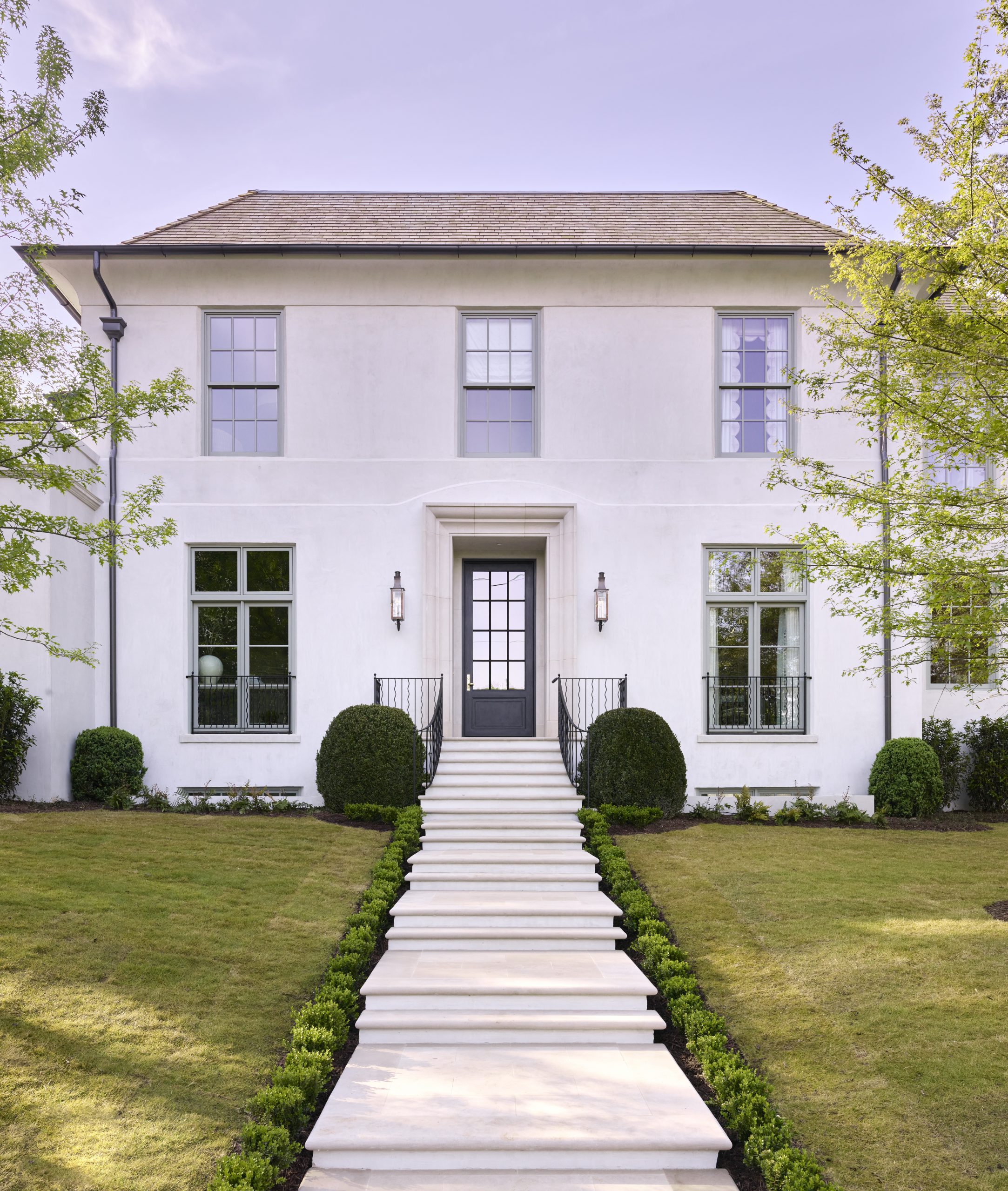
Moving into a smaller home doesn’t mean you have to sacrifice comfort, style, or functionality. In fact, downsizing can be an opportunity to reset, rethink, and refine the way you live. It encourages you to focus on what matters most—keeping your space simple, organized, and truly reflective of your lifestyle. Still, it’s not always easy to adjust to less square footage, especially if you’re used to spreading out.
But do not fret! Here’s an article with some great tips to help you make the most of your new space without feeling cramped. Downsizing doesn’t have to feel like a downgrade. With a little planning and creativity, it can be a fresh start.
Start With a Clean Slate: Declutter With Purpose
The first step to making any small home feel bigger is to eliminate the unnecessary. Downsizing doesn’t just mean reducing your square footage; it also means reducing your possessions. Every item you move into your new space should have a purpose. Go through your belongings with a clear goal: keep only what you use regularly or truly value. This isn’t about becoming ultra-minimalist. It’s about being honest with yourself about what you actually need.
Start in one room and tackle one category at a time. Divide your items into clear piles: keep, donate, sell, or discard. By letting go of things that don’t serve you, you’re not only creating space but also freeing up mental bandwidth. A clutter-free home feels calmer, cleaner, and more inviting.
Use Temporary Storage
When transitioning to a smaller home, chances are you won’t know exactly how everything will fit on day one. That’s why it’s smart to work with professional movers who offer temporary storage options. Companies like Solomon & Sons Relocation Services provide full-service moving help along with storage solutions that let you downsize over time. You can store non-essentials and seasonal items offsite while you get settled. Once you’re more familiar with your new layout and needs, you can decide what to bring in permanently and what you’re better off parting with.
This kind of flexibility is a game-changer. Instead of forcing everything into your new home and feeling overwhelmed, you buy yourself time. You also reduce the pressure of making decisions too quickly during what is already a hectic transition.
Go Vertical: Maximize Wall Space
One of the biggest challenges in a small home is the lack of floor space. That’s where your walls come in. Vertical storage is often overlooked, but it’s one of the easiest ways to free up room and keep things organized. Think tall shelving units, wall-mounted hooks, and floating shelves. Install a pegboard in the kitchen for hanging utensils or use a mounted rack in the hallway for coats and bags.
When you move items up and off the ground, the entire space feels lighter and less crowded. It also helps you define zones within a room without needing bulky furniture or barriers.
Choose Multi-Functional Furniture
In a smaller home, every piece of furniture should work hard for you. Look for pieces that serve more than one purpose. A storage ottoman can also be used as a coffee table. A bed with drawers underneath saves you from needing a separate dresser. A wall-mounted desk folds up when not in use, instantly freeing up space.
Multi-functional furniture reduces the need for excess, which helps maintain a sense of openness. It also makes your home more adaptable. When your furniture works with your space, rather than fighting against it, you’ll feel more comfortable and in control of your environment.
Light It Right: Brighten Up the Space
Lighting plays a major role in how big—or small—a room feels. Natural light should always be maximized. Keep your window treatments sheer or lightweight to let light pour in. If privacy is a concern, consider frosted film or layered curtains that can be drawn back fully during the day.
In spaces with limited natural light, add layers of artificial lighting. Use a combination of floor lamps, wall sconces, and table lamps to create a warm, welcoming glow.
Keep Colors Light and Consistent
Color can really change the look and feel of any room. Dark shades tend to absorb light, making rooms look smaller and more enclosed. In contrast, light tones reflect light, creating an airy and open atmosphere. That’s why small homes benefit so much from a pale, consistent color palette. You don’t have to stick to white—soft greys, pastels, muted blues, and warm beiges all work well.
Consistency is just as important as the color itself. When different rooms or walls have contrasting tones, it can chop up the flow of the space and make the home feel disjointed. Try using the same base color throughout, and then add subtle variations through textures, furniture, or accent pieces.
Embrace Minimal Design
A small home thrives on simplicity. Minimal design is about clean lines, open surfaces, and fewer visual distractions. It helps create a sense of calm and clarity, which is especially important in tighter spaces.
Avoid cluttered shelves, overfilled countertops, or too many decorative items competing for attention. Pick a few meaningful pieces and let them stand out. Clear surfaces—like an empty dining table or a tidy entryway—can instantly make a space feel bigger. Choose quality over quantity. A single bold artwork or a thoughtfully placed plant can have more impact than a dozen smaller decorations.
Divide With Purpose, Not Bulk
Sometimes, you need to divide a space—maybe to create a small workspace or a sleeping nook in a studio. But in a small home, traditional walls or bulky room dividers can do more harm than good. Instead, look for flexible and lightweight ways to separate areas. Open shelving units, lightweight curtains, folding screens, or glass dividers can help define zones without making the room feel closed in.
The key is to use dividers that don’t block natural light or stop airflow. Keeping the visual connection between spaces intact makes the home feel more cohesive and open.
Downsizing can seem intimidating at first, especially when you’re leaving behind a larger home. But a smaller space offers something bigger homes often lack: clarity. It encourages you to be thoughtful about how you live, what you value, and how you want your environment to feel. A small home doesn’t have to feel small. With the right design choices, it can feel just right.
The post Downsizing? Easy Ways to Make a Small Home Feel Spacious appeared first on Talking With Tami.
from Talking With Tami https://ift.tt/Eg0DO9T
via talkingwithtami


Comments
Post a Comment